Gentle Reader,
One of the strong older ladies I ski and hike with just wrote that she had a hip replacement. I was stunned to hear the news and asked more about it. She had a sudden tear called a labral tear, something I had never heard of. Intrigued, I thought I’d share what I learned.
According to the Mayo Clinic web site,
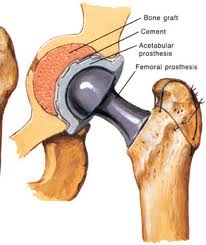
“A hip labral tear involves the ring of soft elastic tissue, called the labrum, that follows the outside rim of the socket of your hip joint. The labrum acts like a socket to hold the ball at the top of your thighbone (femur) in place.
“Athletes who participate in such sports as ice hockey, soccer, football, golf and ballet are at higher risk of developing a hip labral tear. Structural abnormalities of the hip also can lead to a hip labral tear.
“Symptoms include hip pain or a “catching” sensation in your hip joint. Initial treatment may include pain relievers and physical therapy. Using arthroscopic techniques, surgeons can remove loose fragments from within the joint and trim or repair the hip labral tear.”
My friend had had no symptoms whatsoever until the sudden onset of acute pain.
The Mayo Clinic site does mention some symptoms
Many hip labral tears cause no signs or symptoms. Occasionally, however, you may experience one or more of the following:
- A locking, clicking or catching sensation in your hip joint
- Pain in your hip or groin
- Stiffness or limited range of motion in your hip joint
Here’s the part that interests me and you, my readers. Causes. We want to avoid the causes of arthritis if possible. We want to manage arthritis when it develops if possible.
- Trauma. Injury to or dislocation of the hip joint — which can occur during car accidents or from playing contact sports such as football or hockey — can cause a hip labral tear.
- Structural abnormalities. Some people are born with hip problems that can accelerate wear and tear of the joint and eventually cause a hip labral tear.
- Repetitive motions. Sports-related and other physical activities — including the sudden twisting or pivoting motions common in golf or hockey — can lead to joint wear and tear that ultimately results in a hip labral tear.
Without knowing all the details, I’d guess my friend, like so many of the rest of us who hike every week and ski in the winter, the repetitive motions and wear and tear can go on a long time without any sign of arthritis at all. Then the sudden move, often one we’ve been doing forever, can set the whole thing on fire.
The Mayo Clinic goes on to say that anyone who is over-using a joint could have this result. My question is, what is over-use? How to find the balance between keeping moving and over-use? I know my friend paid close attention to her body and stretched before and after the activities I was part of. She was often by herself stretching outside the ski bus before the ride home.
So what’s a person to do? Why of course, Keep moving. Listen to your body. Be glad you are a healthy active person when something like a labral tear occurs because you will bounce back quickly. She’ll be on the slopes with us next winter. She’s unaware of any other arthritis that needs managing. Nothing is showing up yet.
Fondly,
Betsy
Be well, Do well and Keep Moving.
Leave a comment or pass along to your friends.
 but get too busy at the desk to do them when you get back home. Then suddenly the pain shows up. I do know what to do:
 Madame Tussaud’s wax museum is a history/pop culture lesson. For her, American giants from George Washington and Lincoln to the Obama’s came alive. For me, she introduced me to the TV stars, singers and comedians who perform today (and I never watch).

 weather was wonderful for strolling. Probably the most exciting thing Ellie did was make a Muppet at FAO Schwartz.
 depicted in Judy Chicago’s famous Dinner Party. On our last day there we went out to Saint John the Devine. Blue-gowned graduates of Columbia Teachers’ College were just leaving the Cathedral and their ceremony. Proud parents and grand parents took pictures as we sat on the steps. Later when I asked Ellie if she would ever come back to New York, she said maybe she’d go there to college.



 Cartilage is 65 to 80 percent water, so staying hydrated is important for the health and lubrication of your joints. Maintaining proper hydration is even more important for individuals who suffer from gout. Water helps flush uric acid out of the body, and studies suggest staying hydrated may help prevent flare-ups. It isn’t necessary to count the number of glasses of water you drink in a day — the latest research suggests that if you take time to drink a glass whenever you feel thirsty, you’ll probably do fine. You are already drinking enough water, which is important for managing your arthritis. To spice things up, you might want to try flavoring your water with fresh fruit slices or drinking unsweetened green tea or herbal tea — there are so many delicious and fun varieties. And be sure to avoid sugary drinks like soda, sweetened water, fruit drinks, sweet tea, and froufrou coffee concoctions.
 I know you don’t smoke, but I just wanted to share with you a few good reasons to stay smoke-free: Smoking delivers toxins throughout the body, causing inflammation and increasing the risk of arthritis. In one study, smokers were more than twice as likely to develop rheumatoid arthritis than people who didn’t smoke. In addition, researchers from a multicenter study reported in 2005 that smokers had a greater risk of osteoarthritis of the knee, possibly because smoking interferes with the body’s ability to repair its own cartilage. The bottom line is that staying smoke-free is a wise choice!
 you’re already there! Being overweight can put added physical stress on your joints, which can aggravate arthritis (particularly osteoarthritis) and increase your levels of pain. An unhealthy weight can also promote inflammation, which as I’ve mentioned is the root of arthritis. Another reason to keep eating right and exercising!
 arthritis. It can help you lose or maintain weight, which reduces the overall stress impact on joints. Strong muscles can absorb shock from daily movements, keep joints stable, and protect against additional joint injury. Stretching and yoga can improve flexibility and range of motion and reduce joint stiffness. Swimming and water aerobics allow free movement without added stress on the joints. Walking is another manageable, low-impact form of aerobic exercise appropriate for most individuals with arthritis. All good reasons to maintain your active lifestyle!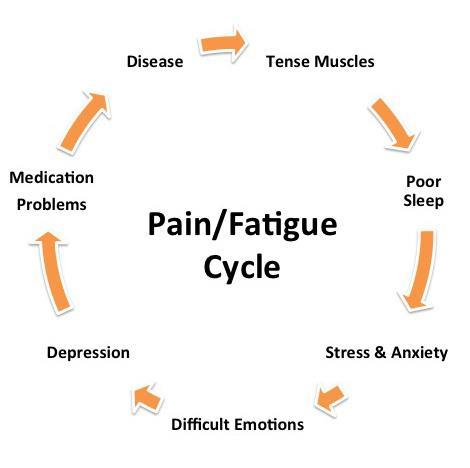
 What I am sure about is increased pain and then the magical release from it. Here is the unexplainable magic. I have mentioned it to you several times in the past. It is a 20 minute meditation tape by Peggy Cappy about