Be Well health tips

Can Vitamin C Reduce Colds In Children?

What about us?

Cold and flu season is here. I have four great-grandchildren who I’ve had the joy of being with recently. Luckily this past weekend when I spent time in their company on several occasions, they were all symptom free and healthy. I could kiss, cuddle, and share bits of food without worry.

If you have children, grandchildren, or great-grandchildren, if you are a teacher, or drive a carpool of children, cold and flu season is not good news. Children and adolescents are particularly susceptible to respiratory infections (colds, sore throat, sinusitis, pneumonia, and bronchitis). That’s because:

  • Their immune systems are immature.
  •  Their diet and sleep patterns are far from optimal.
  • Increasing environmental pollution makes the problem worse.

And that’s a Problem. The WHO says:

•  Respiratory diseases are the leading cause of childhood deaths globally.

•  RSV alone results in 3.6 million hospitalizations and 100,000 deaths each year.

The death rates are not as high in the US, but every day your child is sick at home:

•  They are not in school leaning.

•  One parent has to stay home from their job to take care of them.

If you want to protect your child from respiratory infections and do it naturally, you need to strengthen their immune system.

We older people need to strengthen our immune systems, too.

Never miss a health tip. Never miss a special offer or discount. You can unsubscribe any time.

How do we do that? Vitamin C.

First, what did the new study about children, resistance to catching colds, and vitamin C tell us? Thanks to Dr. Steven Chaney for this interpretation.

•  There was a significant negative association between serum levels of vitamin C and the risk of respiratory infections (In plain English that means as serum levels of vitamin C increased, the risk of respiratory infections decreased).

•  For every 10 unit increase in serum vitamin C levels, the risk of respiratory disease decreased by 7%.

   •  Children and adolescents in the top quartile of serum vitamin C were 50% less likely to develop a respiratory infection than those in the bottom quartile.

Based on previous studies, the authors said the most likely mechanisms for the effect of vitamin C on the risk of developing a respiratory disease are:

1)  Vitamin C exerts antioxidant protection against free radicals generated by immune cells, which protects the integrity of cells lining the respiratory track.

2)  Vitamin C strengths the ability of neutrophils to clear pathogens (bacteria and viruses) from the blood.

3)  Vitamin C inhibits pro-inflammatory cytokines, thereby reducing inflammatory responses that can worsen and prolong respiratory infections.

The authors concluded,

•  “This study demonstrates a negative association between serum vitamin C and respiratory infection risk in a nationally representative sample of children and adolescents. 

•  These findings highlight the protective role of vitamin C against respiratory infections and underscore the importance of maintaining optimal vitamin C levels. 

•  Our findings suggest that vitamin C supplementation may be potentially used for the prevention and treatment of respiratory infections among children and adolescents.”

What Does This Study Mean For You?

And what the heck do they mean by serum levels?

Dr. Chaney did the calculations for us.

The average serum vitamin C levels in the highest quartile (the one with the lowest risk of respiratory infections) was 87 µmol/L. To estimate the dose of vitamin C required to reach that level I turned to the NIH “Vitamin C Fact Sheet For Health Professionals”. From data in that fact sheet, I estimate that the dose needed to reach 87 µmol/L is: 

  • 150-200 mg/day for children.
  • 200-300 mg/day for adolescents.

This is a very rough approximation, but it provides you with guidelines you can use. And those guidelines suggest that you don’t need give your child a megadose of vitamin C – a chewable vitamin C supplement in the 250 mg range should be plenty.

Vitamin C is no magic bullet. A vitamin is just one component. Children and adults need the following for a strong immune system:

  • A balanced diet composed of whole, unprocessed foods without a lot of fat and simple sugars. Unfortunately, American children currently get an average of 67% of their calories from ultra-processed foods.
  • Adequate sleep. The recommendations are 9-12 hours for children aged 6-12 and 8-10 hours for adolescents aged 13-18. Unfortunately, 30% of school-age children and 75% of adolescents don’t get enough sleep.
  • Adequate exercise. Unfortunately, children and adolescents spend far too much time on their electronic devices and too little time exercising.
  • Ideal body weight. Unfortunately, ultra-processed foods and lack of exercise are packing on the pounds. Almost 40% of American children and adolescents are overweight or obese.
  • Supplementation. Because most children eat too much ultra-processed food, I recommend a high-quality children’s multivitamin and a protein supplement to make sure they are getting the nutrients they need to build a strong immune system. That is, of course, in addition to the vitamin C supplement I mentioned above.

For parents, I have this advice. Pick your battles and be the example.

Happily Shaklee has a number of ways to get Vitamin C and a multi into the kiddos and yourself, especially if there is resistance to swallowing a pill.

  • Vita C Chewable. 
  • Vita-lea Gummies (the chewable multivitamin)
  • Shakleeskids super Immunity (15% off right now) Gummies for kids and grownups

Take care of yourselves and your families. Be well in the coming months and enjoy the rainy, chilly weather as best you can.

Did you enjoy this post? Find anything useful? Care to share with a family member or friend? Please share with others to get the word out about this new protein product. I thank you.

Be well, Do well, and Keep Moving. Betsy
Be Well health tips, Health and Fitness

Antibiotics

Gentle Reader,

Seventy years ago when I turned 7, an add in Life Magazine read “Thanks to penicillin…he will come home.” Antibiotics dramatically lowered the incidence of death on the battlefields of WWII from infection. The miracle created by chemist, Alexander Fleming and the mass production of drugs reversed certain death to probably life.  My parents -as nurse and physician-worked through New York City’s flu epidemic, the horrors of infection during surgery and the fear for their three small children with the polio virus running rampant.  They embraced Better Living through Chemistry with open arms.  So did the farming industry; chickens and pigs and beef all grew faster and fatter with antibiotics.


Collateral damage has made the news.  Books have been written about the dangers of bacterial resistence to antibiotics.  The first voices against over use of antibiotics came as early as the 1970s but the manufacturers of these wonder drugs refused to cut their profits in favor of promoting more moderate usage.  My brothers and I used antibiotics on our Holstein dairy cows and our meat chickens, following the instructions from the agricultural bulletins handed out to 4H members.  (My brother thought growth hormones would be good for him, too, and swallowed a vial meant for the chickens!  He was 12.)


Today Americans experience an unprecedented number of deaths –23,000 fatalities each year and 2 million sick–directly related to antibiotic resistent bacteria.


Debra Daniel-Zeller published an article in this month’s Puget Consumer Coop newsletter in which she takes a close look at the microbial world being altered and victimized by antibiotics.  I had no idea that microbes, including bacteria, were one of the first life forms on the planet.  They inhabit outer space, living 22,000 feet above the earth and influence the weather.  They inhabit the ocean.  They form 70-90 percent of the cells in and on our bodies.  More than 500 types of microbes live in the human gut.  Ms. Daniel-Zeller mentions microbe

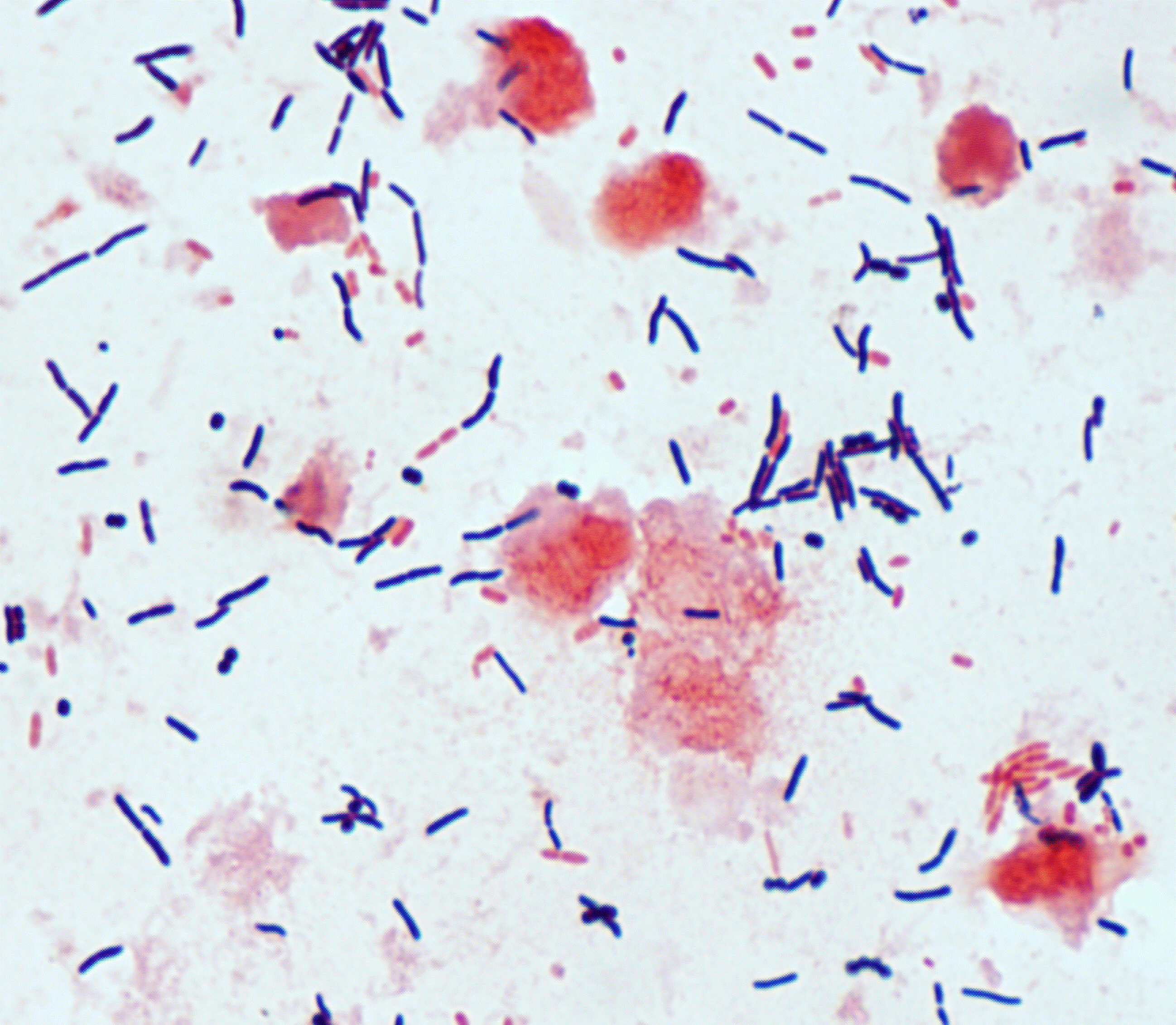
clostridium difficile

clostridium difficile, a little bugger that antibiotics don’t kill, that lies in wait in the body for up to 2 years and comes back to haunt our good health.  We need a balance of microbes.  Antibiotics wipes out some upsetting the balance.


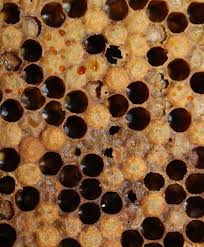
Everyone is worried about the disappearance of the honeybee.  For the past 50 years, farmers have been using an antibiotic in the hives to treat foul-brood disease.  Now the bees carry several antibiotic-resistant genes, adversely effecting their metabolism.

beeinformed
foulbrood disease in the hive

One of the reasons it is so hard to lose weight, it turns out, is because the very antibiotics used to fatten animals, fatten humans.  You may or may not take antibiotics  but you are getting them in the meat and chicken you eat. There is a direct correlation between rates of obesity in states where the highest number of antibiotic prescriptions are written. (New England Journal of Medicine)  Let’s face it, thin people have a rich diversity of gut bacteria functions, unlike low diversity in fat people.


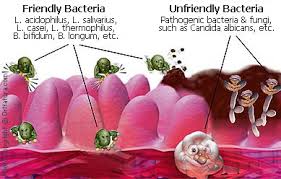
All bacteria in the gut become shell shocked and put up defenses when an antibiotic comes along. Vulnerable bacteria die and their functions no longer benefit us.  Seventy percent of our immune system cells are found in the walls of the gut.  When these cells die off, the walls of the gut become permeable.

Bateria in the gut
Bateria in the gut

It is probable that various autoimmune disorders such as Lupus, MS, asthma and even simple allergies result from the breakdown of our gut’s bacterial barrier.  Chrone’s disease and celiac disease are on the rise, possibly due to early and frequent use of antibiotics.


Antibiotics are not going away very soon.  While they have been banned in animal husbandry in the EU and Russia, the US agricultural, meat and dairy industries remain “self-regulating”, i.e. no government regulations. Five US cities have passed resolutions supporting statewide and national bans on non-therapeutic use of antibiotics.  This is a start.


Personally I am convinced that my diagnosis of breast cancer at the age of 34 was influenced by my parents’ enthusiastic use of antibiotics at the slightest sign of the sniffles.  Such was their delight in these miracle drugs.  When situational stress put an extreme burden on my immune system, I did not have the defences to correct the DNA damage that may have resulted in cancer growing cells.  I will never be able to substantiate this theory, but articles like this one in the PCC paper shed more light on how overuse of antibiotics allows disease states to start.

Healthy gut.
Healthy gut. photo by Shuttercock


Want to stay healthy and avoid these diseases?  Want to lose weight?  Here are three things you can begin now.

1. Take no antibiotic unless it is certain you are suffering from a bacterial infection.

2.  Eat only organically grown meat and chicken which have no antibiotics (or hormones) added to their feed or injected into their bodies.

3.  Take supplemental probiotics daily to help populate your gut with friendly, beneficial bacteria.  I appreciate the quality of Shaklee’s Pre and Pro biotics, Optiflora.  For more information on this product, please visit my Resources page.


Since this is a blog about arthritis, I have to add this:  losing even 10 pounds will make your joints happier and less painful.  Changing your diet away from antibiotic laden foods might be your missing weight loss link.  Thinner bodies, healthier guts, less inflammed joints.


Be well, Do well and Keep Moving

Betsy

206 933 1889

www.EmpoweredGrandma.net (my travel adventures, both spiritual and physical)

www.HiHoHealth.com  (shopping for Shaklee products)